
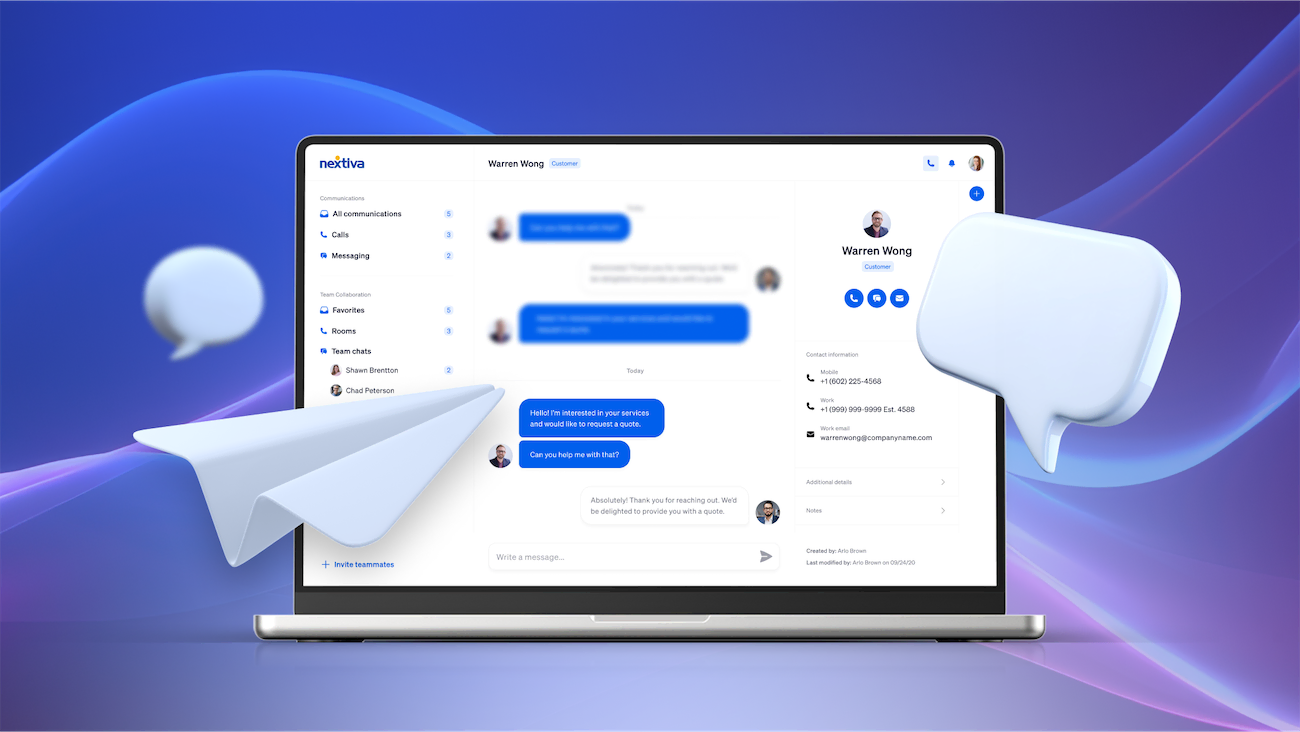
Live chat has transformed from a simple website add-on to a cornerstone of modern customer engagement. Businesses across all sectors are leveraging this technology to provide instant support, drive sales, and build lasting customer relationships. As the digital landscape evolves, so does the software powering these conversations. Let’s explore the latest live chat software news, from AI-driven innovations and market growth to key updates from industry leaders.
The AI Revolution in Customer Conversations
Artificial intelligence is no longer a futuristic concept; it’s a present-day reality reshaping live chat functionality. The most significant trend is the deeper integration of AI to create smarter, more efficient customer service experiences.
AI-powered chatbots are now capable of handling a significant portion of customer inquiries without human intervention. These bots use natural language processing (NLP) to understand user intent and provide accurate, context-aware responses 24/7. For instance, platforms like LiveChat are rolling out features like AI-powered text suggestions that help agents rephrase messages, correct grammar, and match the company’s brand voice. This not only speeds up response times but also ensures consistency and quality in every interaction.
Another key development is the use of AI for summarizing lengthy chat transcripts. Agents taking over a conversation can get up to speed instantly with AI-generated bullet points, eliminating the need to read through the entire history.
Omnichannel Strategy Becomes Standard
Today’s customer journey is fragmented across multiple touchpoints, including websites, social media, and messaging apps like WhatsApp and Apple Messages for Business. In response, live chat software is evolving into comprehensive omnichannel communication hubs.
Leading providers are enhancing their platforms to unify conversations from all channels into a single, streamlined interface. This allows support teams to manage interactions seamlessly, regardless of where they originate. For example, recent updates allow businesses to integrate their Shopify stores directly with live chat, enabling agents to view customer cart details and even send product cards directly within the chat widget. This integration extends to the checkout page, helping to reduce cart abandonment by offering real-time assistance at the most critical point of the sales funnel.
Explosive Market Growth and E-Commerce Fueling Demand
The live chat software market is experiencing substantial growth, driven by the expansion of e-commerce and rising customer expectations for immediate support. According to market analysis, the global live chat software market is projected to grow from $1.21 billion in 2024 to an impressive $2.04 billion by 2029, at a compound annual growth rate (CAGR) of 11%.
This growth is directly tied to the surge in online retail. As more consumers shop online, the demand for instant, accessible support has skyrocketed. Live chat provides a direct line of communication that helps businesses answer questions, resolve issues, and guide customers through their purchasing decisions. Companies like Zendesk and Salesforce continue to acquire innovative AI startups to bolster their live chat capabilities, signaling a strong industry focus on intelligent automation and proactive customer engagement.
Top Google Searches for Live Chat Software News
- Latest trends in live chat software 2026
- AI in live chat for customer service
- Best omnichannel live chat platforms
- Live chat software market growth
- Zendesk vs. Salesforce live chat features
- Live chat for e-commerce conversion
- How to use chatbots with live chat
Frequently Asked Questions (FAQ)
What is the biggest trend in live chat software?
The most significant trend is the deep integration of Artificial Intelligence (AI). This includes AI-powered chatbots for 24/7 support, AI-assisted responses for human agents to improve speed and quality, and features like chat summarization to provide quick context for complex issues.
How does live chat software support an omnichannel strategy?
Modern live chat platforms act as a central hub for all customer communications. They integrate with various channels like email, social media, SMS, and messaging apps (e.g., WhatsApp, Messenger), allowing agents to manage all conversations from a single dashboard. This provides a unified and consistent customer experience across all touchpoints.
Why is live chat so important for e-commerce?
For e-commerce, live chat is a powerful tool for increasing conversions and customer satisfaction. It allows businesses to engage with customers in real-time to answer product questions, assist with checkout issues, and offer personalized recommendations. By providing immediate support, businesses can reduce cart abandonment and build trust.
Can live chat software be automated?
Yes, automation is a key feature. Most platforms offer chatbots that can handle common questions, qualify leads, and route conversations to the right department. This frees up human agents to focus on more complex inquiries, improving overall efficiency. Advanced features even allow for automated canned responses based on the context of the conversation.